What is zafran (saffron)?
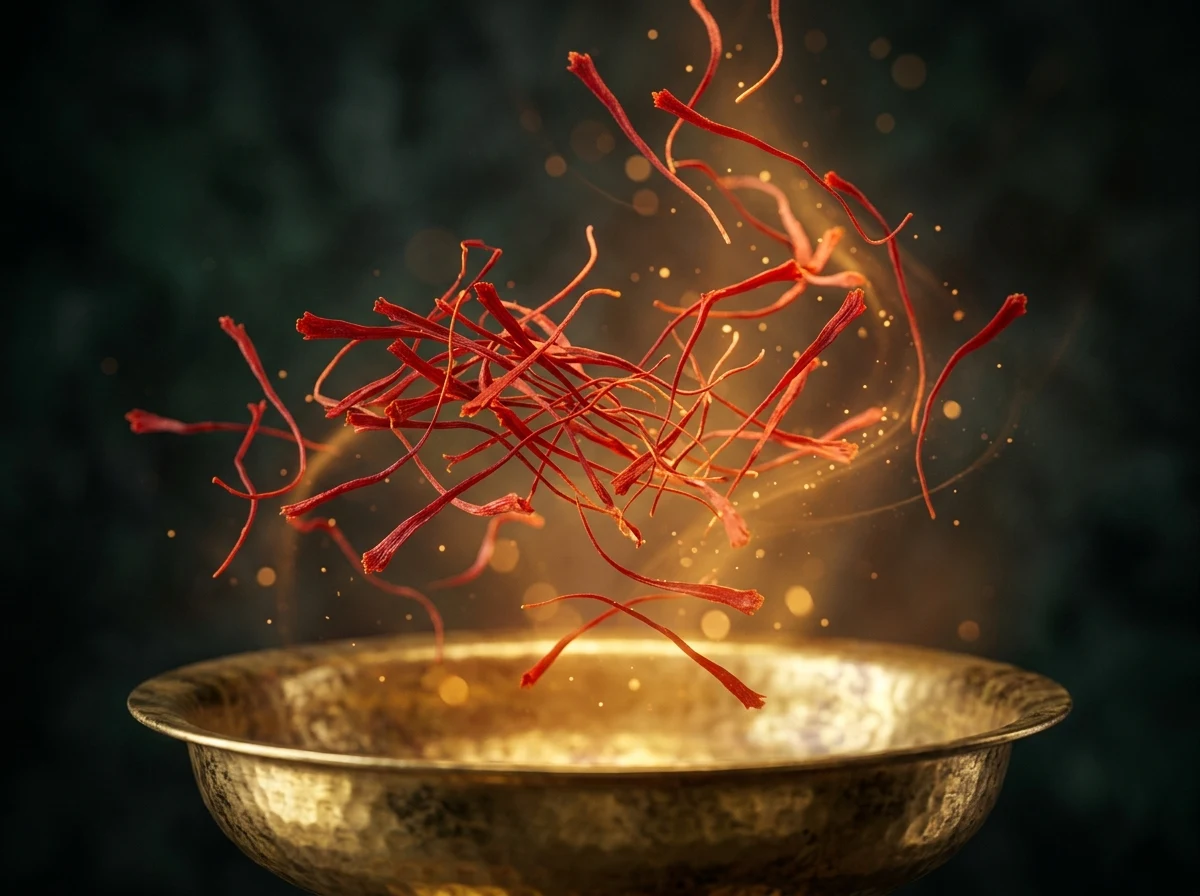
Zafran is the dried red stigma, or thread, of the Crocus sativus flower. Each flower produces only three threads, which are picked by hand. It takes well over a hundred thousand flowers to make one kilogram, which is why saffron is so expensive. The main sources for Pakistan are Iran, Afghanistan, and Kashmir, whose saffron has a geographical indication (GI) tag.
Zafran ke fayde: traditional uses in Unani tibb
In Unani tibb, zafran is valued as a mufarreh (a substance that brings cheer) and a muqawwi-e-qalb (heart tonic). Hakeems traditionally use it to:
- uplift mood and relieve low spirits
- support heart strength and circulation
- support men's vitality in classical majoon formulas
- support digestion and appetite
What does research say about saffron?
Saffron has been studied most for mood. A meta-analysis of randomized trials found that saffron supplements improved symptoms in adults with mild to moderate depression compared with placebo, and performed similarly to some antidepressants in small head-to-head trials. The studies were small and short, so saffron is not a replacement for professional treatment of depression.
A few small trials have also looked at saffron for sexual function in men and women, with mixed results. More research is needed.
How to identify real zafran (asli zafran ki pehchan)
Common fakes include dyed corn silk, safflower petals, coloured threads, and real saffron padded with yellow style (the flavourless lower part of the flower). These checks help:
| Check | Real saffron | Warning sign |
|---|---|---|
| Look | Deep red threads, trumpet-shaped with a slightly flared tip | Threads that are all the same thickness, stringy or too bright |
| Water test | Slowly releases golden-yellow colour over 10 to 15 minutes; the thread stays red | Instantly releases red colour, or the thread turns pale or white |
| Rub test | A soaked thread rubbed between fingers leaves yellow-orange colour and does not fall apart | Breaks into mush or leaves red dye |
| Smell and taste | Honey-like, hay-like aroma; taste is slightly bitter | No smell, chemical smell, or sweet taste |
| Price | Always expensive per gram | Cheap saffron is almost certainly fake or mixed |
How is zafran used?
Only a few threads are needed. Traditionally, 3 to 5 threads are soaked in a little warm milk or water for 10 minutes, then the liquid and threads are added to milk, tea (kahwa) or food. Saffron is also a key ingredient in classical majoon formulations. Supplement extracts follow the label amount.
Zafran side effects and who should be careful
- Culinary amounts are safe for most people.
- Large amounts are toxic. Several grams at once can cause serious poisoning. Stick to food amounts or label doses.
- Pregnancy: culinary use is fine, but avoid supplement doses, as larger amounts may stimulate the uterus.
- Bipolar disorder: saffron may affect mood, so consult a doctor.
- Blood pressure and blood-thinning medicines: speak to your doctor before taking supplements.